


Harvest Nano Inc is an inventor-led company developing textile recycling → cellulose/nanocellulose materials through our complex, custom-made machines. Our work supports domestic circular manufacturing and high-value reuse of textile waste.
Harvest Nano develops technology to sort, process, and transform post-consumer textilewaste into cellulose, microcellulose, nanocellulose, and other useful material forms.
Smart Sorting • Custom Machinery • Textile Waste Mining • Advanced Cellulose Materials
Read the full story

Fast fashion has dramatically increased the volume of clothing produced and discarded.

Approximately 92 million tonnes of textile waste are generated globally each year, while global fiber production reached 132 million tonnes in 2024. Less than 1% of the global fiber market currently comes from pre- and post-consumer recycled textiles.
The material exists.
The waste stream exists.
The missing link is infrastructure capable of recovering its value.
Harvest Nano develops an intergared approach:
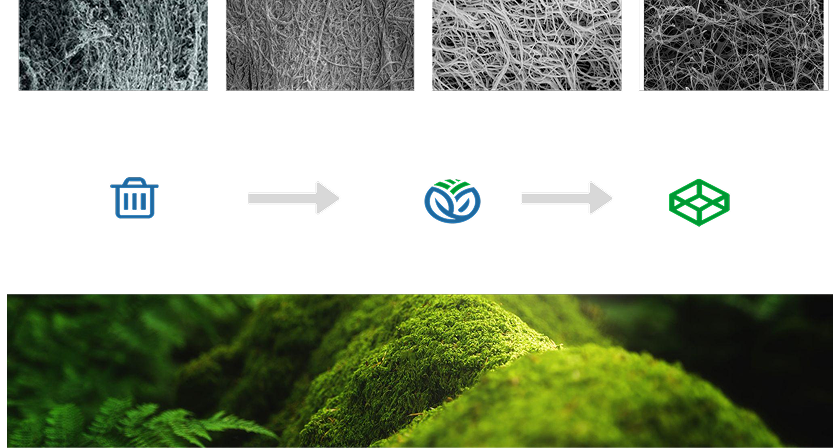
ANALYZE → SORT → PREPARE → PROCESS → REFINE → RECOVER
Reusable garments should remain in use.
Textiles that can no longer be reused should be evaluated as material resources.
For cotton-rich textiles, that resource includes cellulose that can be recovered and refined into higher-value material forms.
Harvest Nano develops an intergared approach:

Harvest Nano's development work has progressed from laboratory research to integrated scalablemachinery and documented production of high value textile-derived cellulose, microcellulose, nanocellulose, gels, pastes, powders, and development samples.
Textile waste is not the end of the material. It can be the beginning of the next one.
Textile waste is more than cotton. Polyester and other fossil-derived synthetic fibers make up amajor share of discarded clothing.
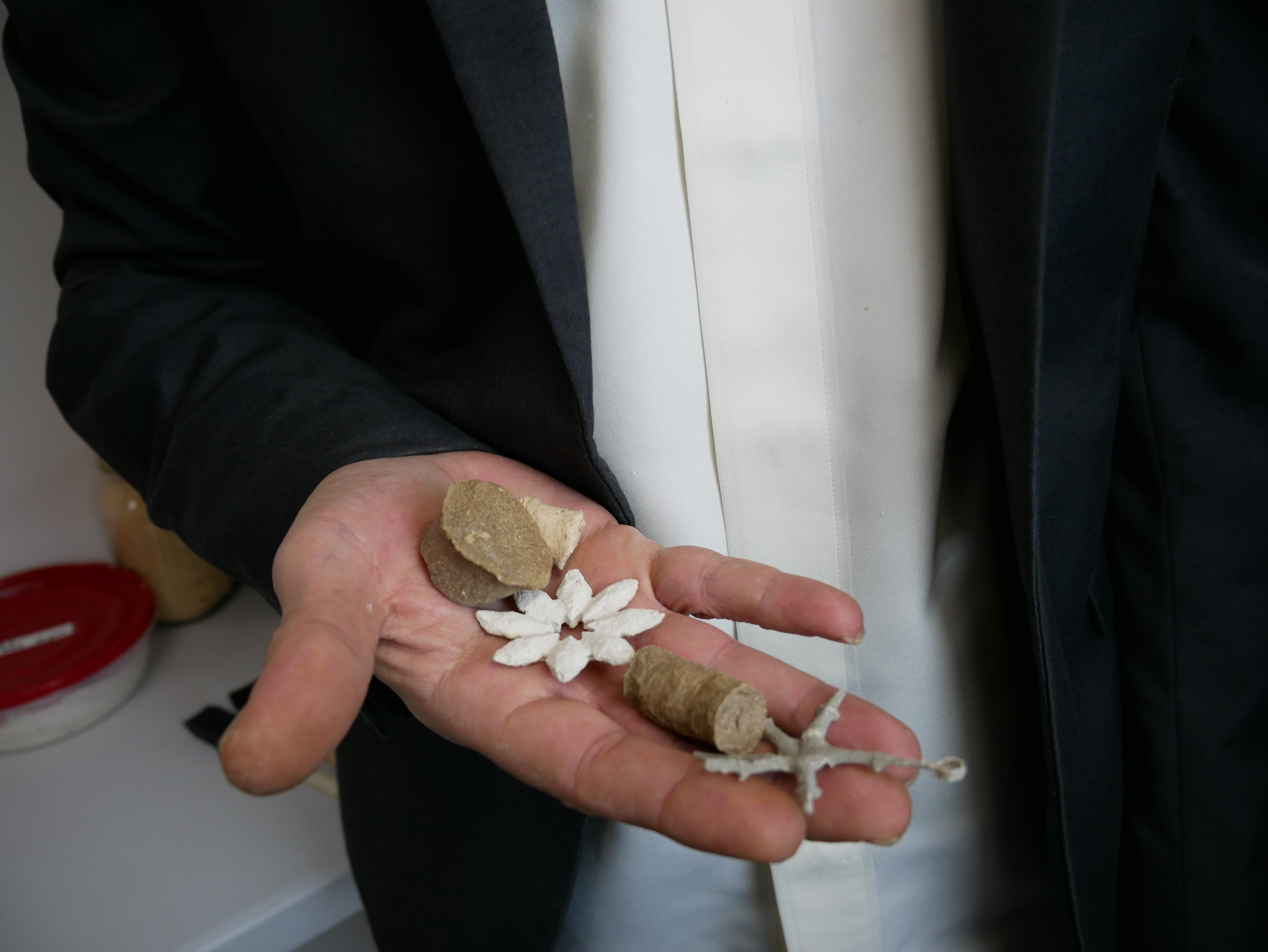
Harvest Nano combines material identification, smart sorting, cleaning, contamination control, and targeted processing to direct each fiber toward its best next use.
Cellulosic fibers → cellulose, microcellulose, and nanocelluloseSynthetic fibers → cleaned and prepared feedstocks for higher-value downstream recovery.
Waste mining means recovering value from every useful fraction, not simply moving waste somewhere else.


