


In its advanced micro and nano forms (gel, paste, powder), nanocellulose is a new material that can be used as an additive to a variety of consumer products. Nanocellulose offers sustainable and powerful improvements to iron, plastic, wood, and other traditional industrial materials, including when used as an additive.
It enhances the structure of product formulations, improves the strength/weight ratio, and reduces the CO2 footprint. This ground-breaking waste-to-nano potential is only now unlocked and broadly available thanks to Harvest Nano technology.
Today, we can extract high-value, novel micro and nanocellulose right from Textile and Sawdust sources.
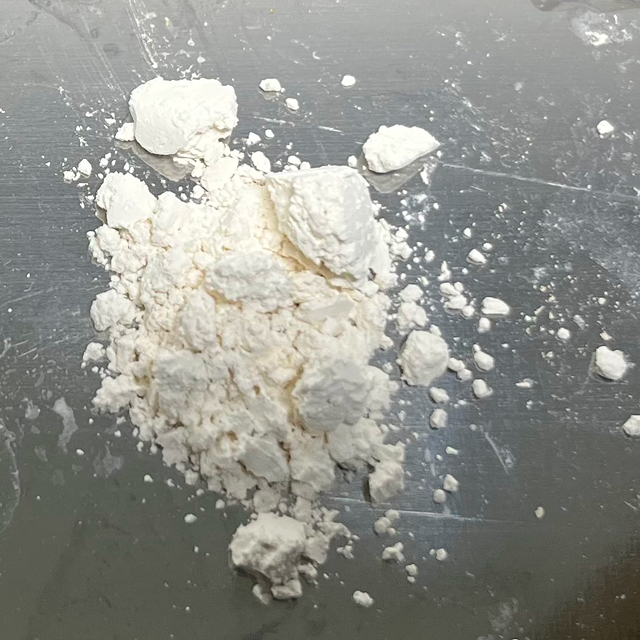
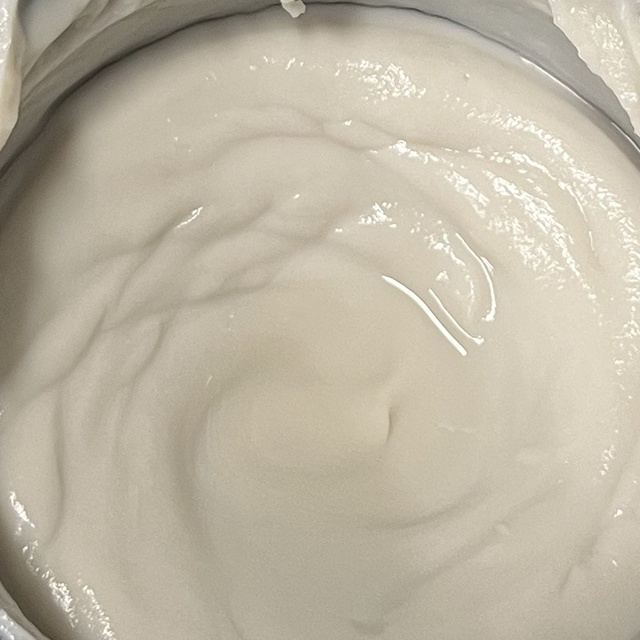
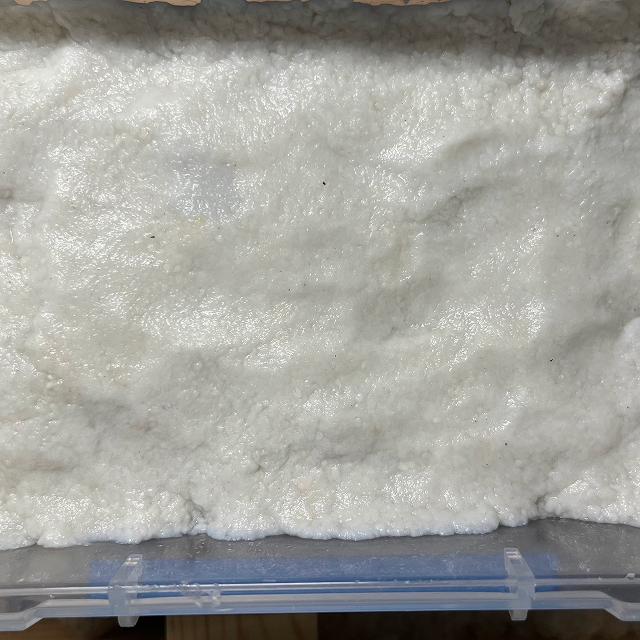
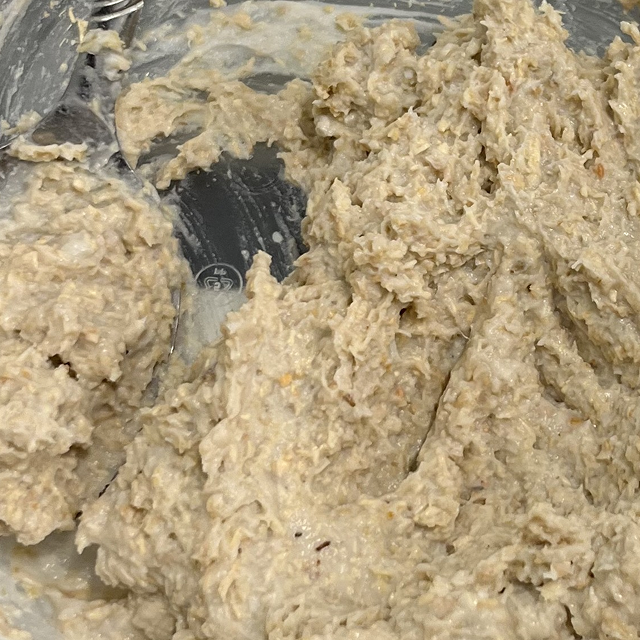
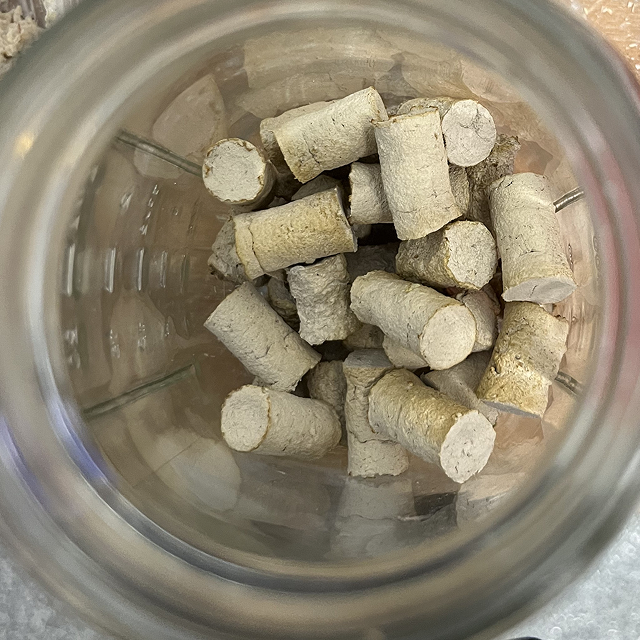
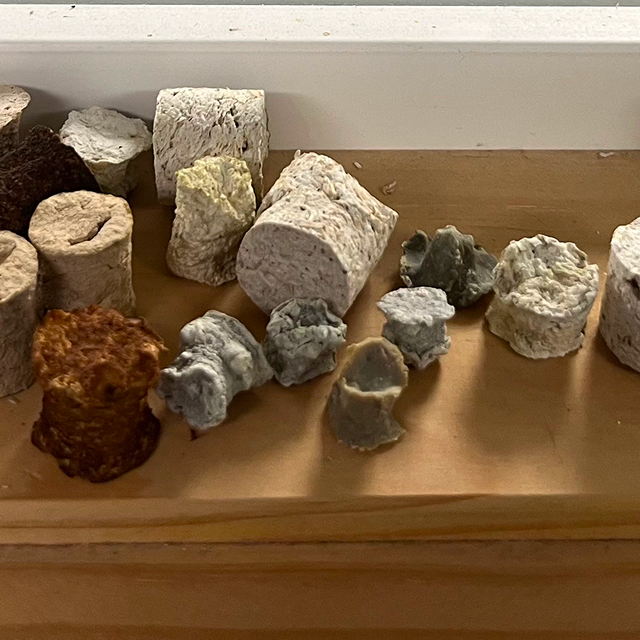
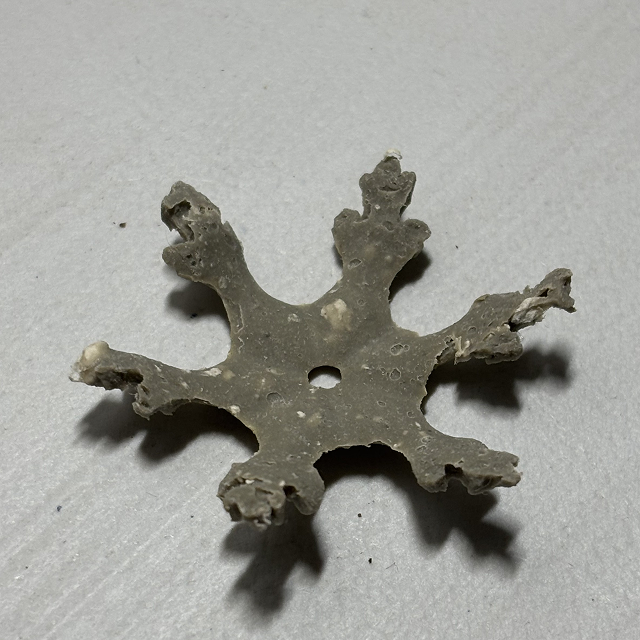
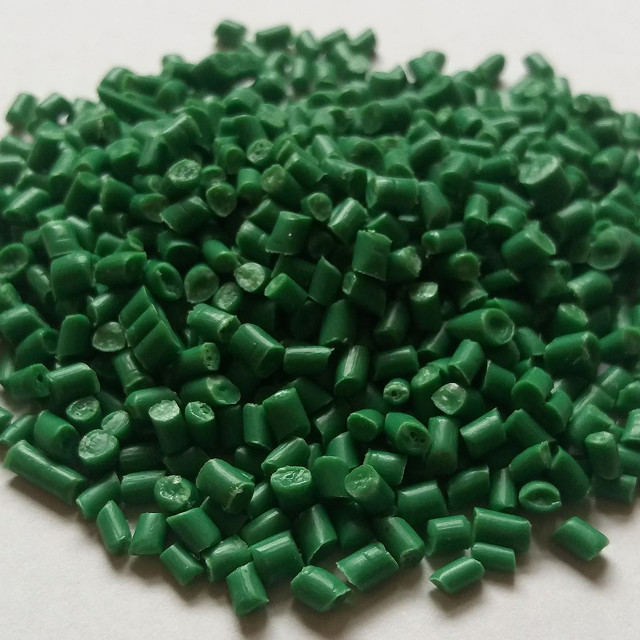
Due to their advanced properties, nanocellulose is a promising futuristic material, can be used in many consumer products – across industries and manufacturing processes:
.png)
A high-performance, biodegradable material, nanocellulose enables innovation in 3D printing offering a more sustainable path toward cleaner, stronger, and smarter materials.
Nanocellulose:
- Strengthens bio-based 3D printing resins and filaments, improving their mechanical properties.
- Improves the strength/ weight ratio, stiffness, and barrier performance of plastics.
- Gel-like properties allow for printing biomedical scaffolds and other composites.
As industries worldwide shift toward sustainable materials and circular production models, nanocellulose serves as a key enabler of innovation across 3D printing and plastics manufacturing.
Nanocellulose is used to strengthen ABS, PVC, PE and other plastic filaments as well as bio-based filaments such as PLA (polylactic acid) and PHA (polyhydroxyalkanoate).
Direct Ink Writing (DIW) and paste-based printing
also benefit from the gel-like rheology and shear-thinning behavior of nanocellulose – which means it is suitable for extrusion-based printing with pastes, powders, or hydrogels.
This enables printing of biomedical scaffolds, tissue engineering constructs, and cosmetic molds.
.png)
Nanocellulose is a renewable, sustainable alternative to petroleum-based plastics. It’s biodegradable, non-toxic, and environmentally friendly. In contrast, only 1% of plastic is currently recycled.
Nanocellulose:
- Higher tensile strength, stiffness, and impact resistance.
- Improved moisture and gas barrier properties
- Ideal for creating thin, transparent films.
- A renewable alternative that reduces the need for synthetic fillers and stabilizers.
- Works with both water and oil-based polymers
Nanocellulose significantly enhances mechanical properties, such as strength, stiffness, and impact resistance, without adding weight.
Nanocellulose improves the mechanical and barrier properties of plastics, forming thin, transparent films with exceptional properties.
As a renewable, biodegradable, and high-performance additive or base material, Nanocellulose enables companies to meet sustainability goals without compromising functionality or performance.
Harvest Nano is proud to be at the forefront of this green revolution – offering processing technologies, and consulting services to help industry leaders unlock the full potential of better plastics alternative.
.png)
Nanocellulose is a great material for the housing industry due to its strength and light weight, with its biodegradable nature an added benefit.
Nanocellulose:
- Improves the strength and durability of building materials like sawdust, cement, and plaster.
- Helps create stronger, lighter concrete and eco-friendly insulation panels.
- Used to make non-toxic, biodegradable protective coatings, replacing chemical-based paints.
- Used to build walls and internal parts.
Natural cellulose fibers at the micro and nanoscale are emerging as key materials in the construction and housing industry.
One of the most promising applications of micro and nanocellulose in housing is its use as a reinforcing agent in composites.
It can help produce flexible, stronger, lighter concrete alternatives and eco-friendly insulation panels that reduce energy use in heating and cooling.
.png)
With its remarkable strength-to-weight ratio, nanocellulose is a next-generation material for the aerospace industry. It offers a sustainable way to create stronger, lighter aviation components.
Nanocellulose:
- Reinforces polymer composites to create stronger and stiffer interior panels and parts.
- Helps create lighter and stronger nano components and parts, leading to fuel savings and lower emissions.
- Provides thermal stability for protective coatings and fire-retardant materials.
- Can be integrated into and improve satellites made from wood.
- Production can be set up locally wherever it is needed.
Nanocellulose qualities are critical for aerospace parts such as interior panels, seat structures, insulation, and even certain exterior components.
Its biodegradability and non-toxic nature also align with the aerospace sector’s growing focus on environmental responsibility and sustainable manufacturing.
.png)
Micro- and nanocellulose are transforming advanced nanomaterials engineering with lightweight, sustainable, multifunctional materials.
Nanocellulose:
- The strength to reinforce materials in the aerospace, automotive, electronics, and construction industries.
- Creates non-toxic, environmentally friendly barrier coatings for packaging and electronics.
- Used as a scaffold in batteries and supercapacitors for high-capacity energy storage.
In nano composite materials, nanocellulose serves as a reinforcing agent, significantly enhancing mechanical properties such as tensile strength, stiffness, and impact resistance.
When added to polymers, metals, ceramics, cement, or even bio-based resins, it helps create stronger and lighter advanced composites.
.png)
Nanocellulose is gaining attention in the furniture industry for its unique mix of strength, lightness, and sustainability.
Nanocellulose:
- Reinforces composites to produce sturdy, lightweight furniture frames and panels.
- Creates biodegradable, non-toxic surface coatings, replacing petroleum-based varnishes.
- Sourced from waste, it helps close the loop in furniture manufacturing.
When mixed with resins, sawdust, or recycled wood fibers, micro and nanocellulose become like a paste that can be molded or pressed into new furniture.
Contact us for more details.


By acting as a reinforcing but flexible agent in composites and an additive in textiles, nanocellulose is used to create lighter, stronger, and more sustainable high-performance sports equipment and apparel. Contact us for more details.
Nanocellulose is used in the automotive industry to create reinforced, lightweight composite parts that reduce vehicle weight, improve fuel efficiency, and lower carbon emissions. Nanocellulose significantly enhances mechanical properties, such as strength, stiffness, and impact resistance, without adding weight. Contact us for more details.
Nanocellulose enables a new generation of eco-friendly electronics by serving as a flexible substrate for displays, a dielectric material in transistors, and a scaffold in lightweight batteries. Contact us for more details.
Revolutionizing the textile industry, nanocellulose is used as a sustainable coating to add functions like water resistance and as an additive to reinforce fibers, improving strength and durability. Contact us for more details.
As a sustainable and versatile ingredient in premium cosmetics, nanocellulose acts as a moisturizing and thickening agent, an emulsion stabilizer, and a film former to improve product formulations and texture, and skin appearance. Contact us for more details.
In paper and packaging, nanocellulose serves as a strength additive and a barrier coating, enabling the production of lighter, more durable, and eco-friendly packaging that reduces the need for plastics. Contact us for more details.
At Harvest Nano, we harness unwanted and tough-to-deal-with waste – and turn it into the superpower, biodegradable materials that our world needs.
Learn More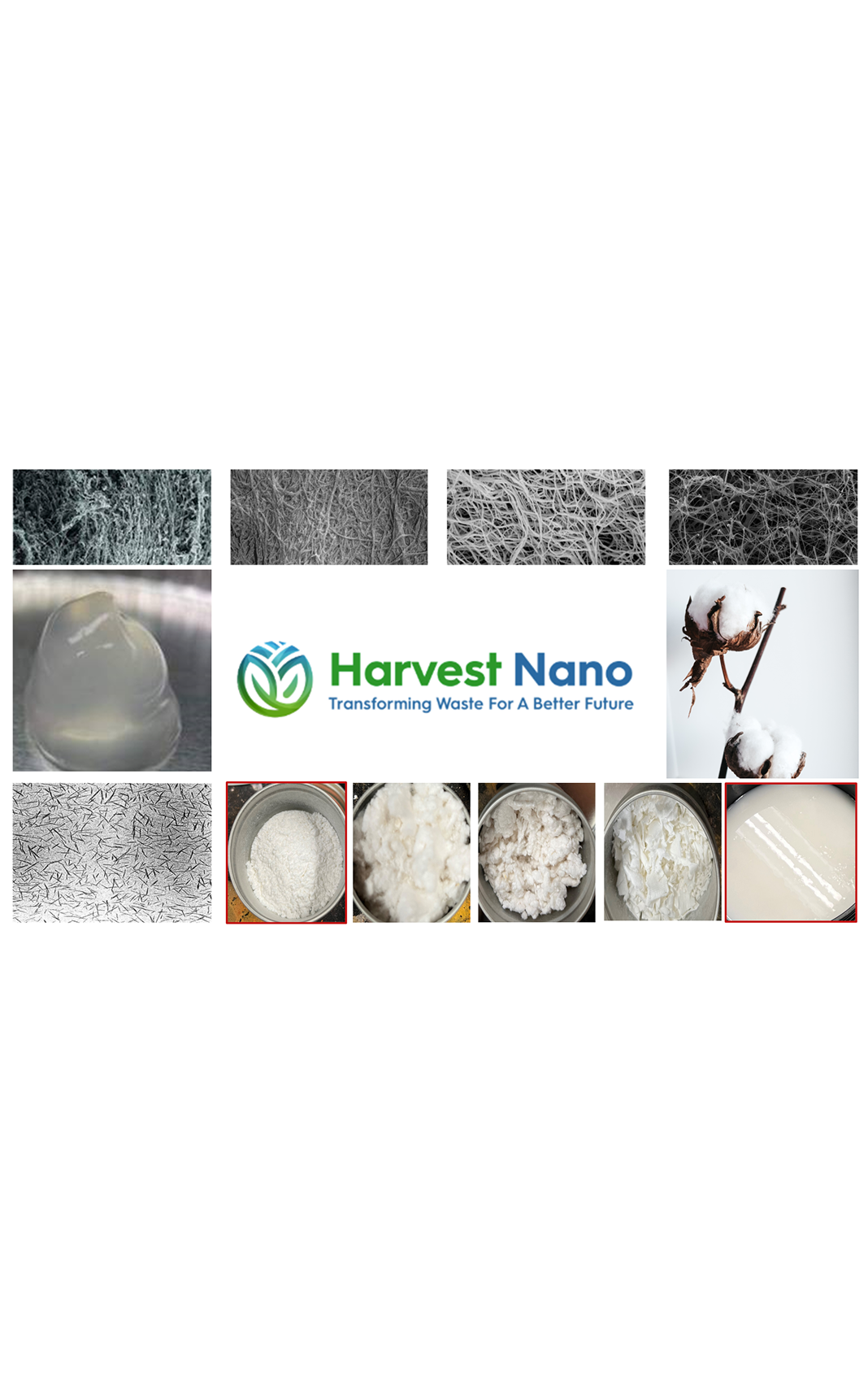
.svg)
.svg)
.svg)
.svg)
.svg)